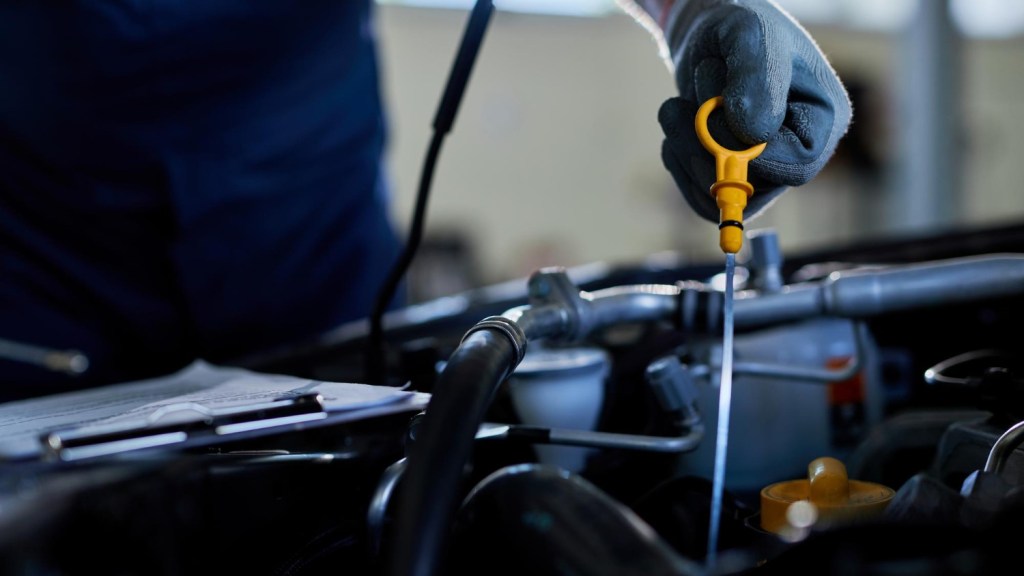
Changing your engine oil is one of the most important maintenance tasks for any car in the U.S. It keeps your engine running smoothly, improves fuel efficiency, and helps prevent long-term damage. While many people visit a shop, you can easily do it at home with the right tools and steps.
Here’s a clear, beginner-friendly guide.
🧰 What You’ll Need
Most oil changes require basic tools:
- New engine oil (check your owner’s manual for type & quantity)
- New oil filter
- Oil filter wrench
- Socket wrench
- Oil drain pan
- Funnel
- Gloves and rags
- Car jack and jack stands (if needed)
🚗 Step 1: Warm Up the Engine
Run your car for 2–3 minutes.
Warm oil flows better and drains faster.
Turn the engine off before starting the process.
⬆️ Step 2: Lift the Car (If Needed)
If your car sits low, use:
- A jack
- Jack stands
- Wheel chocks
Always work on a flat, stable surface and secure the car before going underneath.
🛢️ Step 3: Place the Drain Pan
Locate the oil drain plug under the engine.
Position the drain pan directly under it — warm oil drains fast, so be ready.
🔧 Step 4: Remove the Drain Plug
Use a socket wrench to loosen and remove the plug.
Oil will start flowing immediately, so keep hands clear.
Let it drain completely — usually 3–5 minutes.
When done, clean the plug and set it aside.
🧽 Step 5: Remove the Oil Filter
Find the oil filter (usually cylindrical).
Use an oil filter wrench to loosen it.
⚠️ It contains oil — tilt it carefully into the drain pan.
Before installing the new filter:
- Add a thin layer of fresh oil to the rubber gasket
- This helps it seal properly
🛞 Step 6: Install the New Oil Filter
Screw on the new filter hand-tight.
Do not overtighten — the gasket seals itself once the engine heats up.
🔩 Step 7: Reinstall the Drain Plug
Once the oil has fully drained:
- Clean the plug
- Reinsert it
- Tighten securely with a wrench
Avoid overtightening, which can damage the threads.
🛢️ Step 8: Add New Oil
Open the hood and locate the oil filler cap.
Insert a funnel and pour in the recommended amount and type of oil.
Most U.S. cars need 4–6 quarts, but always verify in the owner’s manual.
Replace the cap after filling.
🧪 Step 9: Start the Engine
Let the engine run for 30–60 seconds.
This circulates fresh oil through the filter.
Check underneath for leaks around the drain plug or filter.
📏 Step 10: Check the Oil Level
Turn off the engine and wait a minute.
Use the dipstick:
- Pull it out
- Wipe it
- Reinsert
- Pull again
The oil should be between MIN and MAX.
If it’s low, add a bit more.
♻️ Step 11: Dispose of Old Oil Properly
In the U.S., auto shops and recycling centers accept used oil at no charge.
Never dump it in the trash or outdoors — it’s illegal and harmful to the environment.
🔑 Final Thought
Changing your oil at home is simple, cost-effective, and great for maintaining your car in the U.S. By following these steps, you keep your engine healthy and learn one of the most essential car skills. If you ever feel unsure, it’s always safe to visit a professional — but knowing the process gives you control and confidence.