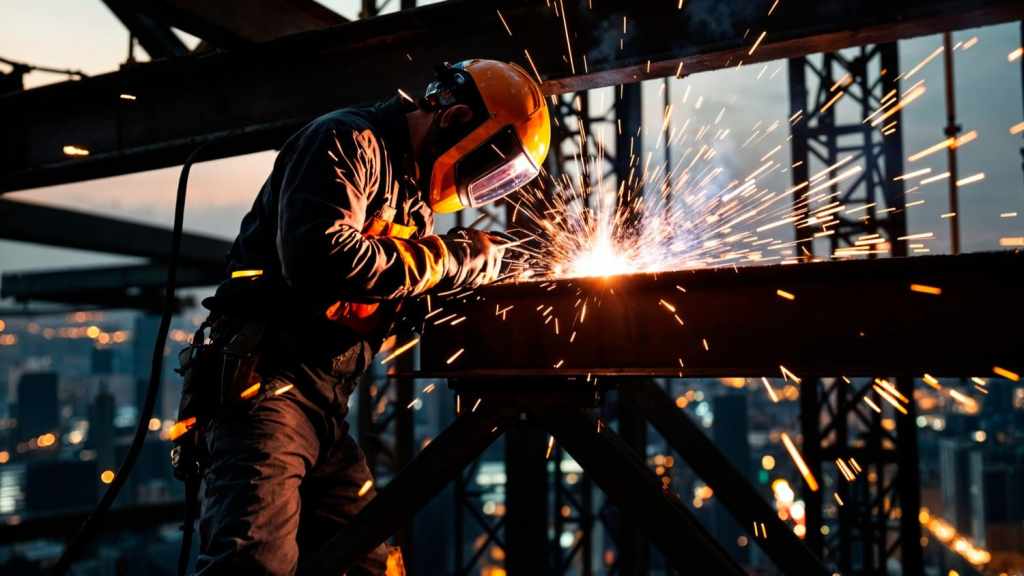
If you’re considering a career in welding, pay is likely one of your first questions. Welding offers steady, hands-on work with solid earning potential — especially as you gain experience or move into specialized roles.
Here’s a breakdown of how much welders make in the U.S., what affects those earnings, and where you’ll find the highest-paying opportunities.
Average Welder Salary in the U.S.
According to recent data from the U.S. Bureau of Labor Statistics (BLS), the average welder salary nationwide is about $48,000 per year, or roughly $23 per hour.
However, that’s just the midpoint. Entry-level welders often start closer to $35,000, while highly skilled professionals — particularly in specialized or hazardous environments — can earn $70,000 or more annually.
Salary by Experience Level
| Experience Level | Typical Annual Pay | Details |
|---|---|---|
| Entry-Level | $35,000–$42,000 | Usually under 2 years of experience |
| Mid-Level | $45,000–$60,000 | Skilled welders with certifications and field experience |
| Senior/Expert | $60,000–$75,000+ | Includes pipe welders, rig welders, and supervisors |
As with most trades, pay increases with experience, certifications, and specialization.
Top-Paying States for Welders
Welding salaries can vary widely depending on where you work. Some of the top-paying states for welders include:
- Alaska – around $70,000
- Hawaii – about $65,000
- Wyoming – roughly $62,000
- North Dakota – close to $60,000
- Texas – averages near $57,000
These states often have strong demand in industries like energy, infrastructure, and manufacturing — which means higher pay for skilled tradespeople.
Factors That Affect Welding Salary
Several factors influence how much a welder earns in the U.S.:
- Certifications: Specialized credentials (like AWS or ASME) can boost pay.
- Industry: Welders in oil, shipbuilding, or construction typically earn more.
- Work Environment: Field jobs and travel roles often pay higher than shop-based work.
- Location: Areas with high demand or fewer skilled workers usually offer higher wages.
- Overtime: Many welders earn extra income through overtime or night shifts.
Specialized Welding Careers with Higher Pay
Not all welding jobs pay the same. Here are a few roles where wages rise significantly:
- Pipe Welders: Often earn $60,000–$90,000 due to technical complexity.
- Rig Welders: Can earn $100,000+ in offshore environments.
- Underwater Welders: Among the highest earners — learn more in our article on Underwater Welder Salary Explained.
Job Outlook for Welders
Welding remains one of the most in-demand trades in the U.S. The BLS projects steady growth, driven by infrastructure upgrades, manufacturing, and renewable energy projects.
With an aging workforce and fewer new tradespeople entering the field, skilled welders are expected to stay in high demand — and pay will likely keep rising.
Final Thoughts
Welding offers strong income potential and career stability, especially for those willing to train, certify, and specialize. Whether you’re just starting out or looking to advance your career, welding remains a rewarding path that pays well for skill and precision.
If you’re still deciding whether welding is right for you, check out our guide on How to Become a Welder for a full step-by-step breakdown of training and licensing.