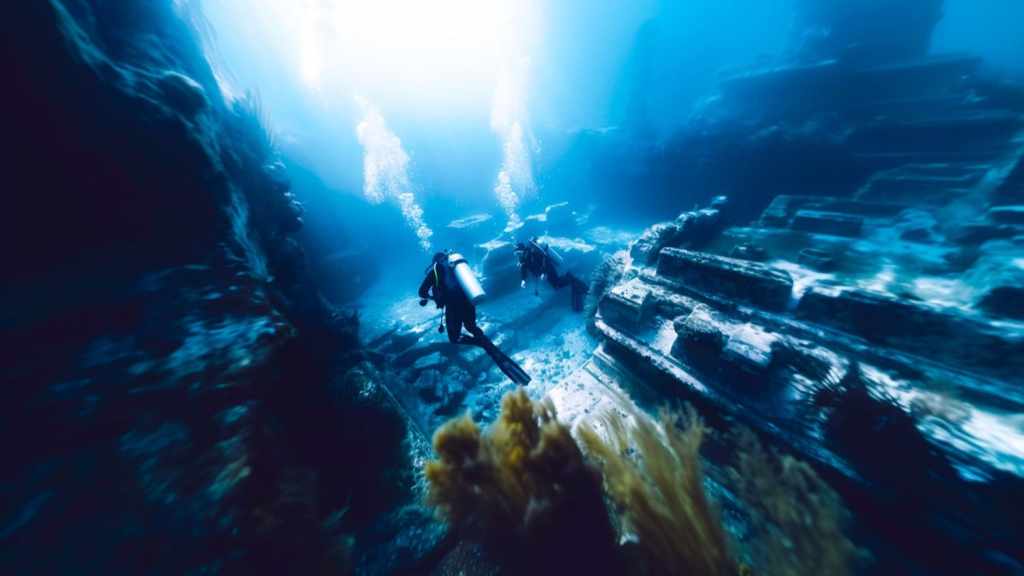
Underwater welding is one of the most fascinating and high-paying paths in the skilled trades. It combines traditional welding skills with commercial diving expertise, creating a unique career that’s both challenging and rewarding.
But how much do underwater welders actually make? Let’s break down average salaries, what influences earnings, and why this job pays far more than most welding positions.
Average Underwater Welding Salary in the U.S.
According to the latest U.S. data and industry reports, the average underwater welder salary ranges from $55,000 to $100,000 per year.
However, pay varies widely depending on the type of work, depth, and environment. Offshore welders working in oil and gas operations can earn significantly more – sometimes $150,000 or higher when overtime and hazard bonuses are included.
Salary by Experience Level
| Experience Level | Typical Annual Pay | Work Environment |
|---|---|---|
| Entry-Level (Diver-Tender) | $40,000–$60,000 | Supports lead divers and assists in prep work |
| Mid-Level (Certified Diver/Welder) | $65,000–$100,000 | Performs underwater welding and repairs |
| Expert (Offshore or Saturation Diver) | $100,000–$200,000+ | Works in high-risk, deep-sea environments |
Offshore vs. Inland Underwater Welders
- Inland Welders:
Work in lakes, rivers, and bridges. Pay averages $50,000–$80,000 annually, depending on project type.
Common employers include construction, infrastructure repair, and utility companies. - Offshore Welders:
Work on oil rigs, pipelines, and deep-sea structures – often earning $100,000–$200,000+ per year.
These roles demand extreme precision, advanced diving skills, and long periods away from home.
What Affects Underwater Welder Pay
Several key factors influence how much an underwater welder earns in the U.S.:
- Depth & Risk: The deeper the dive and the greater the pressure, the higher the pay.
- Certifications: Commercial diving and welding credentials (like AWS D3.6M) are essential.
- Experience: Advanced divers with years of fieldwork earn top pay.
- Project Type: Offshore oil, ship repair, and military contracts often pay premium rates.
- Location: Coastal states and Gulf regions tend to offer more — and higher-paying — opportunities.
How to Become an Underwater Welder
Becoming an underwater welder requires both commercial diving training and professional welding certification.
The typical path involves:
- Earning a high school diploma or GED
- Completing a welding program (see How to Become a Welder for steps)
- Attending a commercial diving school
- Getting certified for underwater welding and inspection
This process usually takes about 2–3 years, depending on your training route and dive experience.
Is Underwater Welding Worth It?
For many, yes – but it’s not for everyone. The work is physically demanding, involves risk, and often means spending weeks offshore.
Still, the combination of high pay, adventure, and technical skill makes underwater welding one of the most respected specialties in the trade world.
If you’re considering it, start by building your welding foundation first – learn the basics and safety standards in How to Become a Welder or explore earning potential in How Much Do Welders Make in the U.S.?