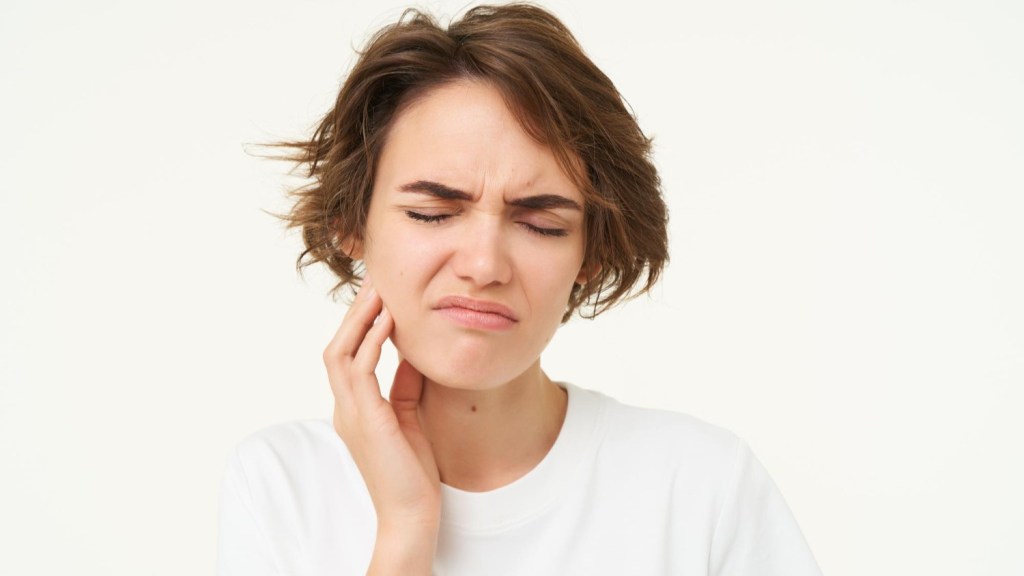
If you’ve noticed a popping or clicking sound in your jaw when you chew, yawn, or talk, you’re not alone — and it’s usually not serious. But it can be annoying, uncomfortable, or even painful over time.
So what causes this jaw popping? And when should you be concerned?
Here’s everything you need to know — including the most common causes, how to manage it at home, and when to seek medical or dental help.
What Jaw Popping Actually Is
Jaw popping refers to a clicking or popping sound that comes from the temporomandibular joint (TMJ) — the hinge joint that connects your jawbone to your skull, located near your ears.
This sound can happen:
- When you open or close your mouth
- While chewing or yawning
- When moving your jaw side to side
It may come with other symptoms like:
- Jaw tightness or soreness
- Headaches
- Ear pain
- Limited jaw movement
Common Causes of Jaw Popping When Chewing
Several factors can cause your jaw to pop, especially when chewing:
🦷 1. Temporomandibular Joint Disorder (TMJ or TMD)
TMJ disorders are one of the most common causes of jaw popping.
They occur when the jaw joint becomes:
- Misaligned
- Inflamed
- Overused or stressed
TMD can also lead to:
- Jaw locking
- Pain near the ear
- Difficulty chewing or opening the mouth fully
😬 2. Teeth Grinding (Bruxism)
Grinding or clenching your teeth — especially at night — puts excess pressure on your jaw joint.
This tension can:
- Irritate the TMJ
- Cause joint wear over time
- Lead to popping, soreness, and headaches
🦴 3. Jaw Misalignment
If your bite is uneven or your teeth don’t align properly, your jaw may shift slightly out of place during normal movement.
That misalignment can cause a pop or click when chewing or talking.
🔥 4. Joint Inflammation or Arthritis
Just like any other joint, the TMJ can develop inflammation or even arthritis over time — especially in older adults.
This inflammation can cause:
- Clicking or popping
- Stiffness in the jaw
- Tenderness or dull pain
🤕 5. Trauma or Overuse
Jaw injuries — from a fall, accident, dental procedure, or even excessive chewing — can cause the joint to become irritated or misaligned.
Even chewing gum excessively or eating hard foods regularly can lead to temporary popping.
😟 6. Stress and Muscle Tension
When you’re stressed, you may clench your jaw without realizing it — even during the day or while sleeping.
This tightness can:
- Strain the muscles around the jaw
- Lead to a clicking or popping sensation
- Create a feedback loop of tension and pain
When Is Jaw Popping a Problem?
Jaw popping isn’t always a problem — many people experience it without pain or complications.
However, you should pay attention if you also have:
- Persistent jaw pain or tenderness
- Difficulty opening or closing your mouth
- Jaw locking or stiffness
- Popping that worsens over time
- Frequent headaches, neck pain, or earaches
These may indicate an underlying TMJ disorder or dental issue that needs attention.
At-Home Relief Tips
If the popping is mild and not painful, try these simple remedies:
- Apply warm compresses to relax the joint and muscles
- Avoid chewing gum or hard foods for a few days
- Massage the jaw area gently in circular motions
- Practice jaw stretches to improve flexibility
- Manage stress with breathing exercises, mindfulness, or light exercise
- Switch to softer foods for a short period
If you grind your teeth at night, a night guard can help reduce stress on your jaw joint.
When to See a Dentist or Doctor
You should see a healthcare provider if:
- The popping is painful, frequent, or getting worse
- Your jaw feels like it might lock
- You have difficulty chewing or speaking
- You suspect teeth grinding or bite issues
A dentist (especially one familiar with TMJ disorders) can assess the issue, recommend treatment, and may refer you to a specialist if needed.
Final Thoughts: Most Jaw Popping Can Be Managed
Jaw popping when chewing is usually more annoying than dangerous — especially if there’s no pain or other symptoms. In most cases, it can be managed with small changes to your routine and some patience.
But if it starts to hurt, affect your bite, or cause other symptoms, it’s worth getting checked out. Your jaw is one of the most used joints in your body — it deserves the same care as the rest.